

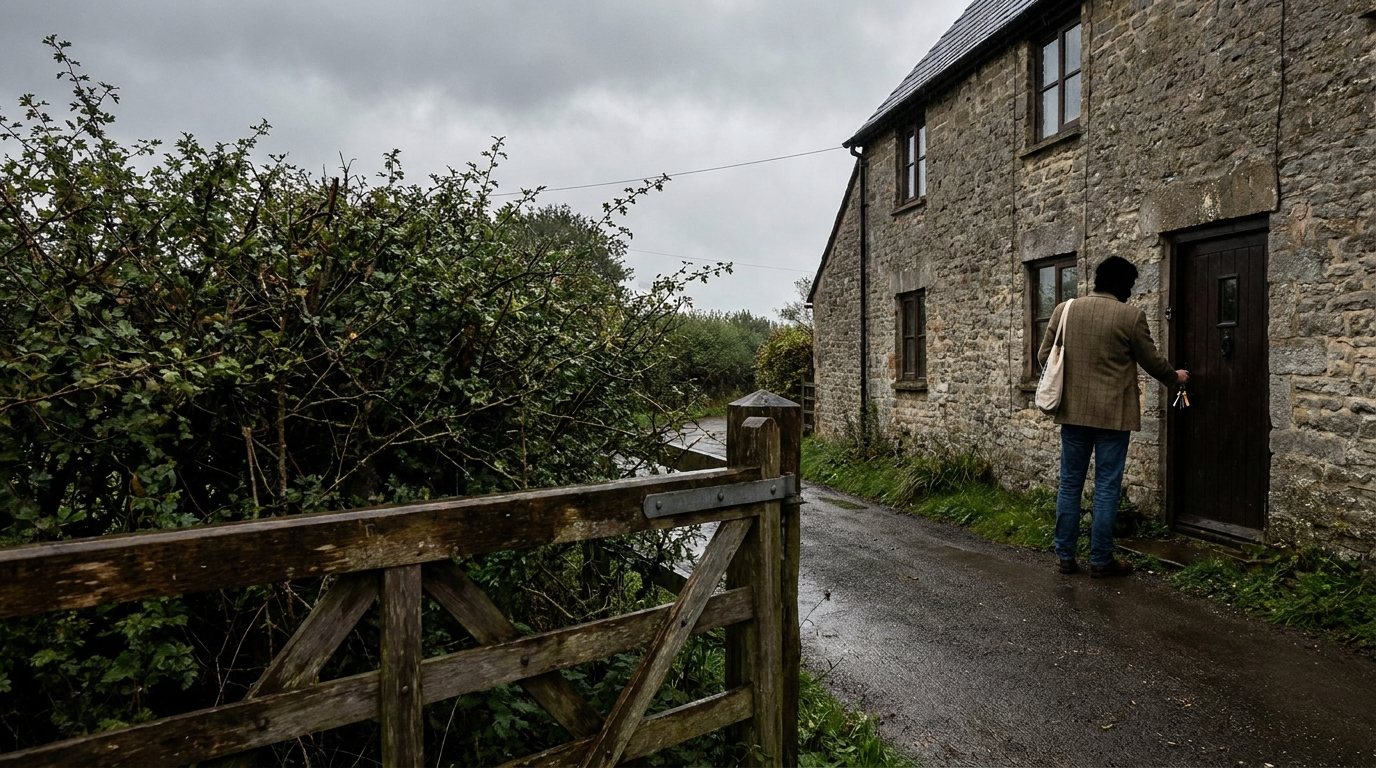
Being named as an executor is a responsibility at the best of times. It becomes more complicated when the person who died lived hours away. You may be juggling work and family at home while trying to look after a house at the other end of the country, sort through its contents and keep the estate moving. A little planning can make the distance far more manageable.
What the role involves
An executor is the person named in a will to deal with the estate of someone who has died. Broadly, that means identifying and protecting what they owned, paying debts and expenses, applying for probate where it is needed, and distributing what is left in line with the will. If there is no will, an administrator does a similar job once letters of administration have been granted.
You are not legally obliged to accept the role, but once you start acting on behalf of the estate you take on legal responsibilities. If you live far away, it is worth thinking honestly about whether you can manage it, and whether you would like professional help with some or all of the work.
Imperial Law, a Wolverhampton firm, has a guide that sets out an executor’s responsibilities step by step, from the appointment itself to distributing the estate. It explains when executors may benefit from professional support, which can be especially relevant when distance makes hands-on work difficult.
Securing the property first
An empty house is vulnerable, and as executor you are responsible for protecting it. In the first days, try to:
- check that doors and windows are locked and find out who else holds keys
- tell the home insurer about the death and that the property is unoccupied
- remove obvious valuables, cash and important papers to somewhere safe
- consider whether the heating should be left on low or the water drained in winter
A trusted neighbour or nearby relative who can check the house regularly is invaluable. Keep a note of who has visited and when.
Managing post, bills and notifications
Letters to the house often reveal accounts you did not know about, so arrange for post to be collected or redirected to you. Royal Mail offers a redirection service for people handling the affairs of someone who has died. GOV.UK’s Tell Us Once service lets you report a death to several government organisations at the same time, which saves repeating the same information.
Keep copies of the death certificate handy, as banks, pension providers and utility companies will usually ask for one.
Making the most of each visit
When you can only travel occasionally, each trip to the house needs to count. Before you go, decide what you want to achieve: photographing the contents, finding paperwork, meeting an estate agent, or letting family members choose keepsakes. Take boxes, labels and bin bags with you, and keep a running inventory so you can share it with beneficiaries who cannot be there.
Resist the urge to clear everything on the first visit. Until you know what the estate contains and what the will says, it is safer to keep items in the house or in storage than to give them away.
Bringing in help
Distance often means relying on local services. Estate agents can provide valuations, and house clearance and removal firms can collect furniture that family members are keeping and deliver it to them, or put items into storage while the estate is administered. Ask for written quotes and keep receipts, because these costs normally come out of the estate and need to be accounted for.
Keeping beneficiaries informed
Beneficiaries who live near the house may feel they should be more involved, while those further away may worry nothing is happening. Regular, factual updates help to keep everyone on side and reduce the risk of disagreements.
Being an executor from afar is entirely possible with good organisation and the right support. Check the official guidance on GOV.UK, and if the estate or the distance feels too much, a solicitor can take on as much of the work as you need.


