

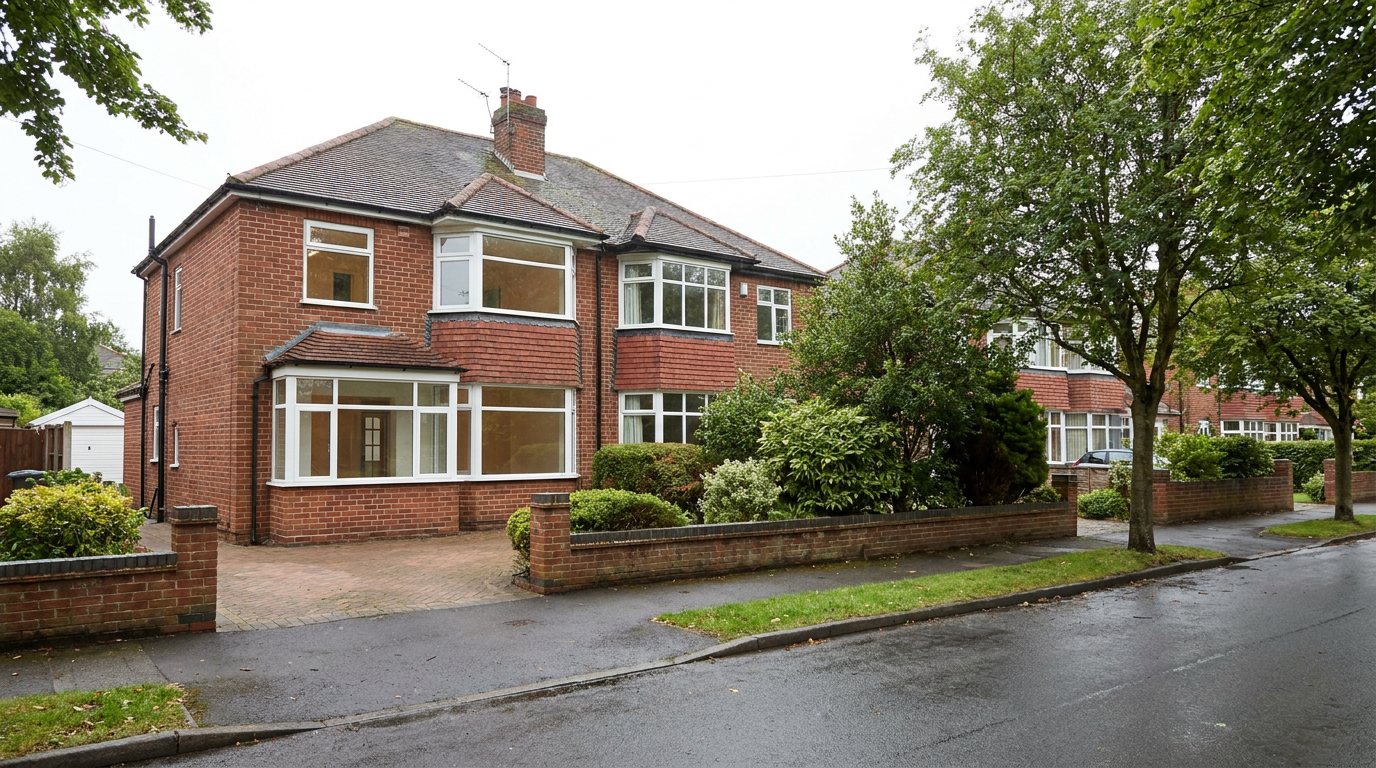
Inheriting a property brings a mix of emotions and responsibilities. Alongside grief, there are practical decisions to make about whether to sell, let or keep the home, and how to get it ready. Taking a calm, step-by-step approach can help families and executors move forward without feeling overwhelmed.
Take advice before making big decisions
Before committing to a sale or a tenancy, it is sensible to speak with the executor’s solicitor. Depending on the estate, there may be steps that need to be completed first, and the right route can depend on matters such as tax, ownership and the wishes of other beneficiaries. General guidance is no substitute for advice tailored to your circumstances, so keep the solicitor informed as plans develop.
An estate agent or letting agent can also give a realistic view of what work might be needed and what the local market expects.
Secure the property first
Empty homes can be vulnerable. Check that doors and windows are secure, keep the post collected, and consider asking a neighbour to keep an eye on things. It is also wise to contact the insurer, as some policies have particular conditions for unoccupied properties. Keep a note of who holds keys so that access can be managed easily.
Sort personal belongings with care
Before any practical work begins, families usually need time to go through belongings and choose what to keep. Look carefully for:
- Wills, financial papers and property documents
- Photographs, letters and family records
- Jewellery and small items of sentimental value
- Anything a relative has asked to have
Take your time with this stage. Once the property has been cleared, it is much harder to recover something that was missed.
Arrange a respectful clearance
Whether you plan to sell or let, buyers and tenants will generally expect an empty, clean property. A full clearance gives a fresh start and allows any repairs or redecoration to be properly assessed.
In Staffordshire, for example, families seeking probate clearances in Rugeley may come across 24/7 House Clearance, which is based in Norton Canes and works alongside families, executors and probate solicitors. Before anything is removed, their team searches for and sets aside personal documents, legal certificates, financial paperwork and sentimental keepsakes. They can collect keys from solicitors, estate agents or neighbours and attend unaccompanied, sending photo updates before and after and photographic confirmation on completion. Formal itemised invoices are provided, which can be useful for estate accounts, and the property is left swept clean and ready for its next step.
Assess repairs and presentation
With the rooms empty, it becomes much easier to see the true condition of the property. Walk through with fresh eyes, or invite an agent or tradesperson to do so. Common jobs include:
- Fresh paint in neutral colours
- Repairs to dripping taps, loose fittings and sticking doors
- A thorough clean, including carpets and kitchen
- Tidying the garden and clearing paths
For a sale, the aim is usually to present a clean, neutral space that helps buyers picture themselves living there. For a let, there may be additional safety checks and paperwork required, so discuss these with a letting agent.
Think about the emotional side
Preparing a family home for someone else can feel like the final goodbye. It is natural to feel a pang when the last room is emptied or when strangers start viewing. Some families find comfort in photographing the home before it changes, or in sharing a final visit together. Allow yourself and others space to feel whatever comes up.
Keep everyone informed
Where there are several beneficiaries, regular updates help avoid misunderstandings. Share progress on the clearance, repairs and marketing, and keep receipts and invoices in one place so the executor can account for costs properly.
Getting an inherited property ready for sale or letting involves more than paint and paperwork. By taking advice, protecting what matters, choosing a patient and respectful clearance and preparing the home thoughtfully, families can honour the past while giving the property a positive new chapter.


